Understanding the neurological transition and energy crisis in the perimenopausal brain.
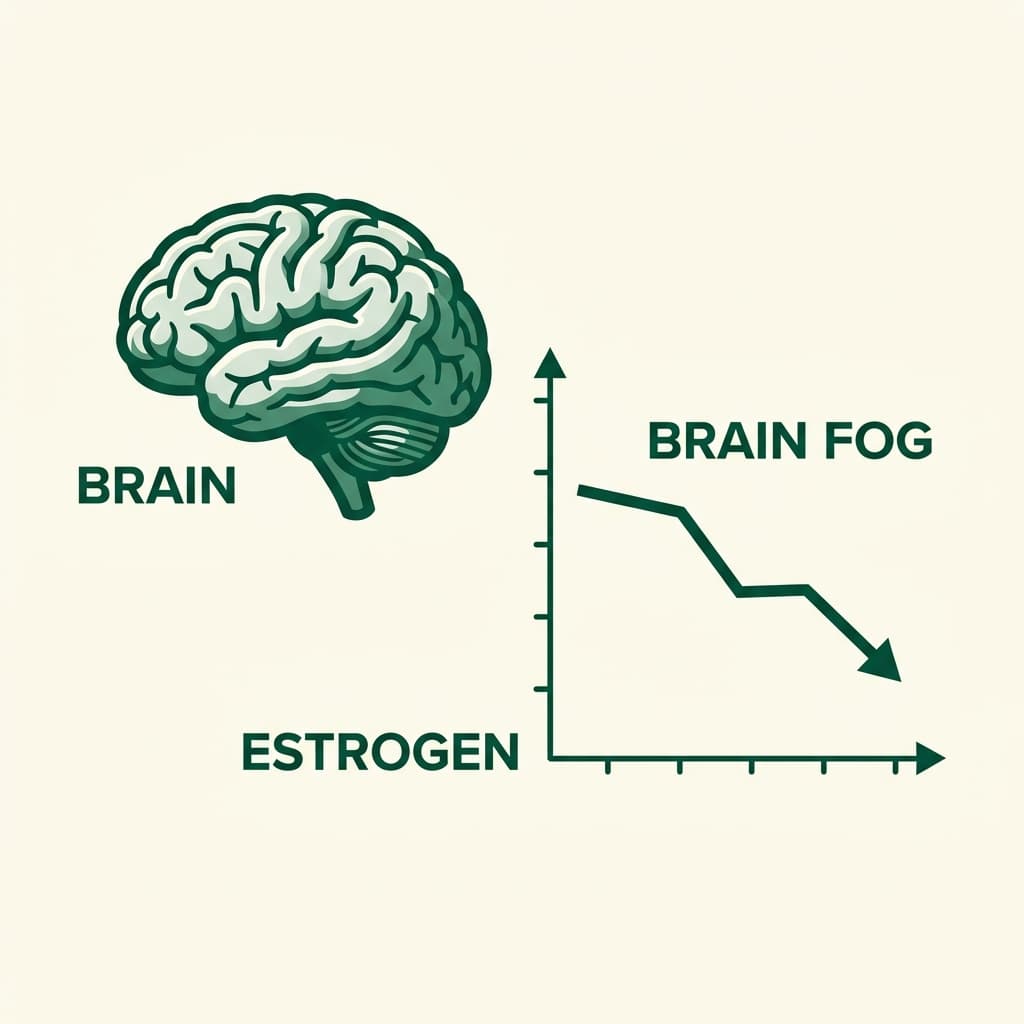
Estrogen and Brain Fog: The Neurobiology of Menopause
Many women in perimenopause describe feeling like their brain is "wading through mud" or they suddenly forget words in the middle of a sentence. This isn't just stress or getting older; it's a profound neurological transition.
Estrogen is not just a reproductive hormone—it's a master regulator of brain energy. Specifically, estradiol drives glucose metabolism in the brain. When estrogen levels fluctuate and eventually drop, the brain experiences a localized energy crisis. Neurons that relied on estrogen to efficiently burn glucose for fuel suddenly struggle to get enough energy.
This metabolic shift is what causes the symptoms of "brain fog," including memory lapses, difficulty concentrating, and mood swings. The good news is that the brain is highly plastic. Over time, it can adapt to running on alternative fuel sources, but supporting it during the transition is critical for maintaining cognitive performance.
Research Facts
- Fact 1: The brain is packed with estrogen receptors, particularly in the hippocampus (memory) and hypothalamus (temperature regulation).
- Fact 2: Functional MRI (fMRI) scans show a measurable decrease in brain glucose metabolism during the perimenopausal transition.
- Fact 3: Early initiation of Hormone Replacement Therapy (HRT) during the perimenopausal window may help preserve brain volume and cognitive function in some women.
Scientific References
- Mosconi, L., et al., 2021. "Perimenopause and Emergence of an Alzheimer's Bioenergetic Phenotype in Brain." Scientific Reports.
- Brinton, R.D., et al., 2015. "The Aging Female Brain: How loss of ovarian function leaves the brain vulnerable." Nature Reviews Neuroscience.
- Maki, P.M., et al., 2019. "Menopause and Brain Health: A Window of Opportunity." Menopause.