Why the hormonal turbulence of perimenopause often begins in your mid-30s with a neurological shift, not a hot flash.
The "Too Young" Myth: The Reality of Early Perimenopause
You are 38. You are waking up at 3 AM with a racing heart. Your anxiety is higher than it was in your 20s. You are forgetting words mid-sentence.
You mention it to your doctor. The response is immediate: "You are too young for perimenopause." They offer you an SSRI. They tell you it's "just stress."
They are wrong. Everything you think you know about the timeline of menopause is wrong. The medical community traditionally defined perimenopause by irregular bleeding, but your brain feels the shift a decade before your ovaries stop.
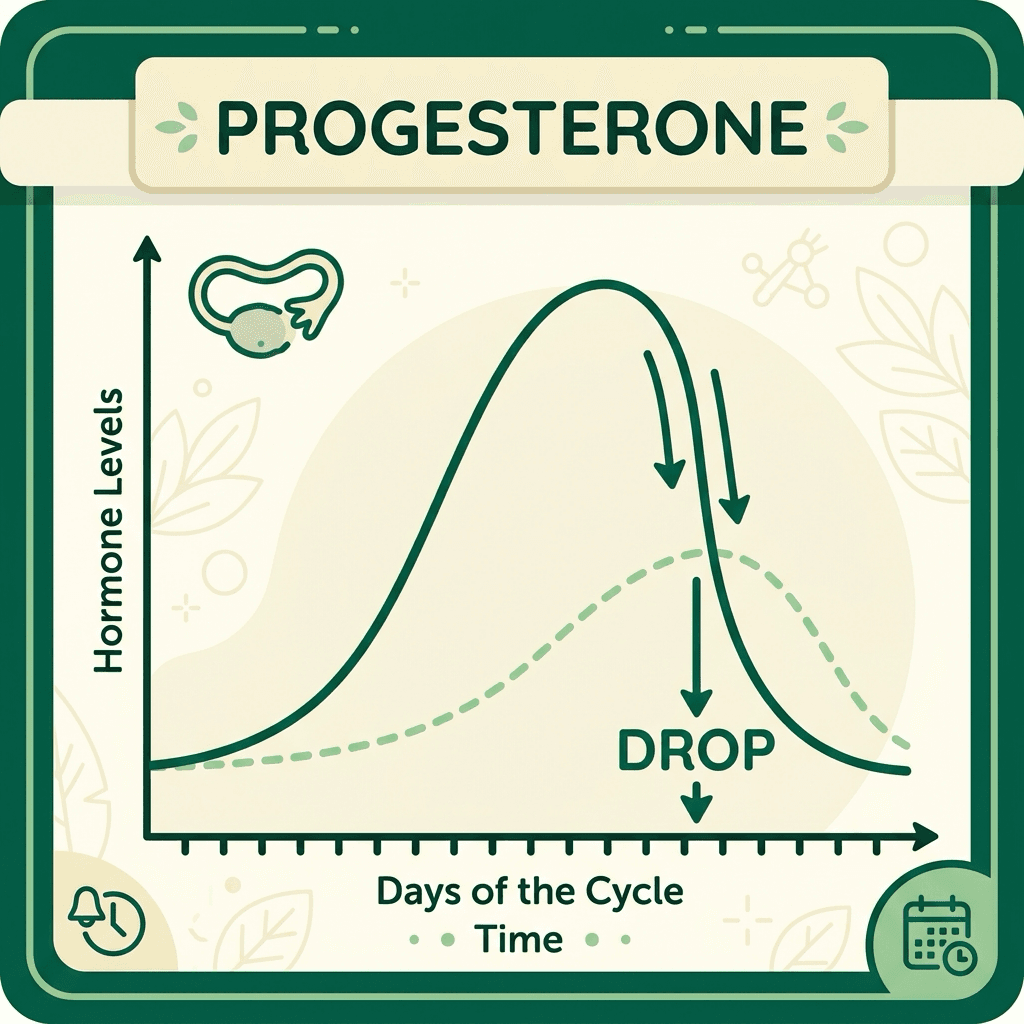
The Progesterone Drop First
Long before estrogen declines, your brain's natural calming hormone—progesterone—starts to fluctuate. Progesterone is essential for neurological stability because it metabolizes into a neurosteroid called allopregnanolone.
Allopregnanolone binds to the GABA receptors in your brain. GABA is your brain's primary inhibitory neurotransmitter—its "off switch." Without sufficient progesterone converting to allopregnanolone, your GABA receptors are left empty.
The Resulting Collapse
The consequence of this missing hormonal signal is severe. It leads to the triad of early perimenopause symptoms:
- Severe Anxiety: Without the GABAergic calming effect, your nervous system is trapped in high alert.
- Insomnia: The inability to initiate and maintain sleep, particularly marked by 3 AM wake-ups.
- Cognitive Overload: You may feel like you are losing your mind or constantly overwhelmed.
You do not have a new anxiety disorder. You have a neurosteroid deficiency.
How to Navigate the Transition
Stop letting people tell you it's "just stress." Validate your neurochemistry.
- Micronized Progesterone: Restoring progesterone via bioidentical (micronized) progesterone at bedtime can directly replace the missing allopregnanolone and activate your GABA receptors.
- Magnesium Glycinate: This form of magnesium supports the same GABA receptors and provides a mild calming effect.
- Stress Management: While stress isn't the root cause, a dysregulated nervous system makes you more vulnerable to cortisol spikes. Protecting your peace is non-negotiable.
Research Facts
- Fact 1: Progesterone levels begin to decline and fluctuate significantly in the late 30s, often years before estrogen levels drop or periods become irregular.
- Fact 2: Progesterone metabolizes into allopregnanolone, a potent positive allosteric modulator of GABA-A receptors, which provides anxiolytic (anti-anxiety) and sedative effects.
- Fact 3: The decline in neurosteroids like allopregnanolone during early perimenopause is directly correlated with the new onset or exacerbation of anxiety and sleep disturbances.
Scientific References
- Prior, J. C. (1998). "Perimenopause: The complex endocrinology of the menopausal transition." Endocrine Reviews.
- Schiller, C. E., et al. (2014). "Reproductive steroid regulation of mood and behavior." Comprehensive Physiology.