Why the 16:8 fasting window affects women differently during perimenopause, and how to optimize your fasting protocol for hormone health.
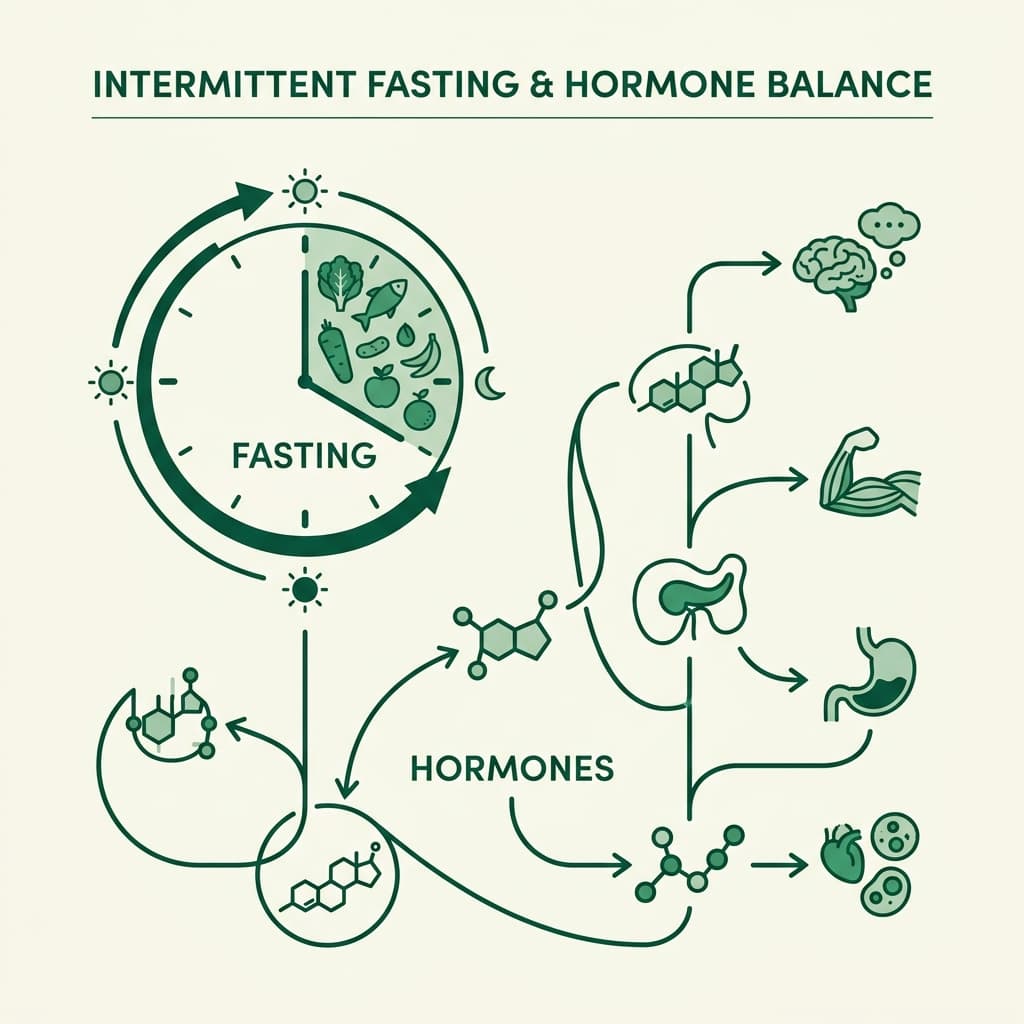
The Fasting Paradox in Menopause
Intermittent fasting (IF) is widely praised for weight loss and longevity. But for women entering perimenopause, the standard 16:8 protocol can sometimes cause more harm than good, triggering weight gain, sleep disruption, and anxiety.
Understanding the interaction between fasting stress and your shifting hormones is key to making this powerful metabolic tool work for you, not against you.
Fasting is a Stressor (Hormesis)
Fasting is a form of hormetic stress—a mild stressor that triggers a positive adaptation in the body (like exercise).
However, during perimenopause, your body is already under significant physiological stress due to fluctuating and declining estrogen and progesterone levels. When you add aggressive fasting on top of this, it can push your nervous system into chronic "fight or flight."
The Cortisol-Insulin Connection
When you fast, cortisol (the stress hormone) naturally rises to mobilize stored energy.
In a hormonally balanced state, this is fine. But in perimenopause, as progesterone (your calming hormone) drops, your body becomes more sensitive to cortisol. Elevated cortisol signals the body that food is scarce and danger is near. The result?
- Insulin Resistance: High cortisol increases blood sugar and insulin resistance, leading to stubborn visceral fat (belly fat).
- Thyroid Downregulation: The body slows the metabolism to conserve energy.
- Muscle Loss: The body may break down muscle tissue for glucose.
How to Fast Safely During the Transition
You don't have to abandon fasting; you have to adapt it to your female physiology.
- Gentle Fasting (12-14 Hours): Instead of jumping to 16 hours, stick to a gentle circadian rhythm fast (e.g., 7 PM to 9 AM). This provides gut rest and insulin lowering without spiking cortisol.
- Don't Fast Every Day: Practice cyclical fasting. Fast 2-3 non-consecutive days a week, and eat normally on the other days to reassure your nervous system that it is not starving.
- Prioritize Morning Protein: When you do break your fast, prioritize at least 30g of protein to stabilize blood sugar and signal safety to the body.
- Avoid Fasted High-Intensity Workouts: Combining fasting with HIIT is a recipe for a massive cortisol spike. If you fast, stick to walking or gentle yoga.
Research Facts
- Fact 1: Prolonged fasting can elevate morning cortisol, which may exacerbate perimenopausal anxiety and sleep disturbances.
- Fact 2: A 12-14 hour overnight fast is sufficient for most women to achieve improved insulin sensitivity without triggering a stress response.
- Fact 3: Adequate protein intake upon breaking a fast is essential for preserving lean muscle mass, which naturally declines during menopause.
Scientific References
- Patterson, R. E., et al., 2015. "Intermittent Fasting and Human Metabolic Health". Journal of the Academy of Nutrition and Dietetics.
- Woods, N. F., et al., 2009. "Cortisol Levels during the Menopausal Transition". Menopause.